In the construction industry, there is a common belief that implementing better project management systems will naturally lead to better project outcomes. Companies invest in advanced scheduling software, reporting dashboards, document control platforms, and increasingly, AI-driven tools to improve efficiency and control. However, despite these efforts, many project management systems fail to deliver their intended results. The problem is rarely the technology itself.
The real issue lies in a fundamental misunderstanding of what drives success in project environments. A system does not succeed because of its features or technical capability. It succeeds because it aligns with human behaviour, organisational incentives, and existing workflows. In construction project management, this alignment is often overlooked.
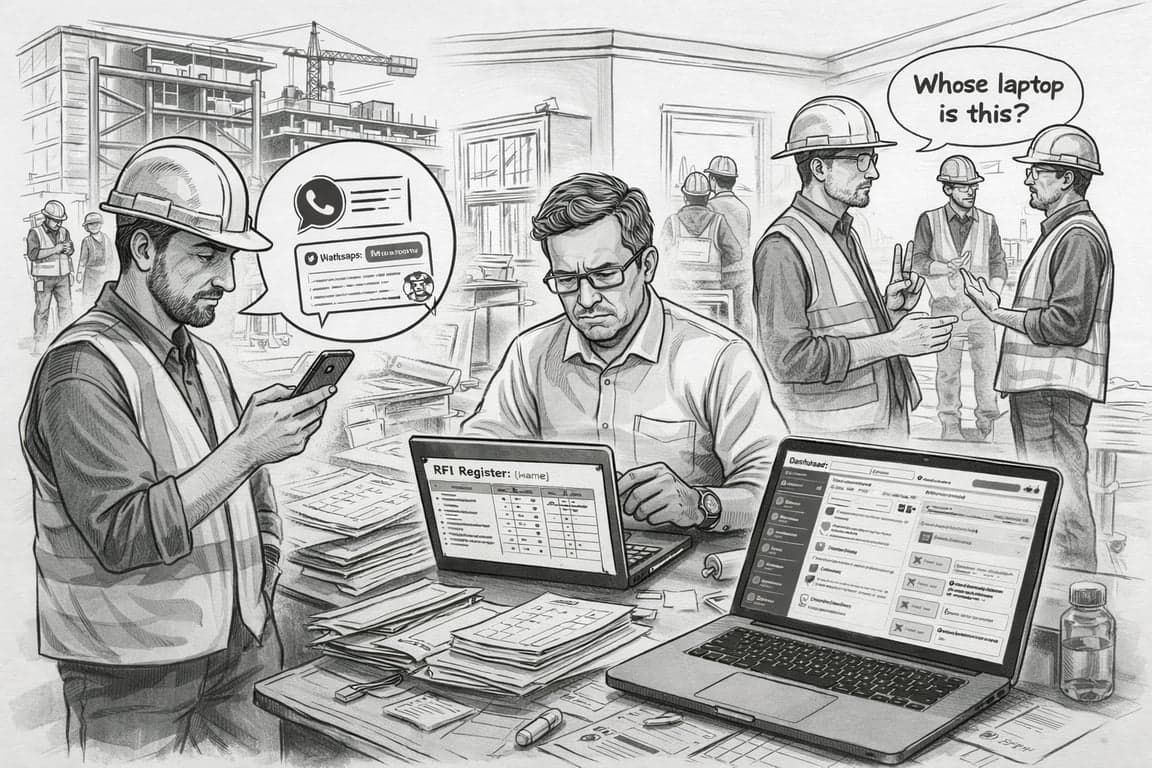
A typical example can be seen when a new scheduling or reporting system is introduced. The system may be built on best practices, with a well-defined work breakdown structure, logical sequencing, and integrated reporting functions. From a technical standpoint, it is robust and comprehensive. However, once implemented on site, progress updates are inconsistent, teams continue to rely on informal communication such as messaging apps, and reports are adjusted manually to reflect immediate needs. Over time, the system becomes outdated and underutilised.
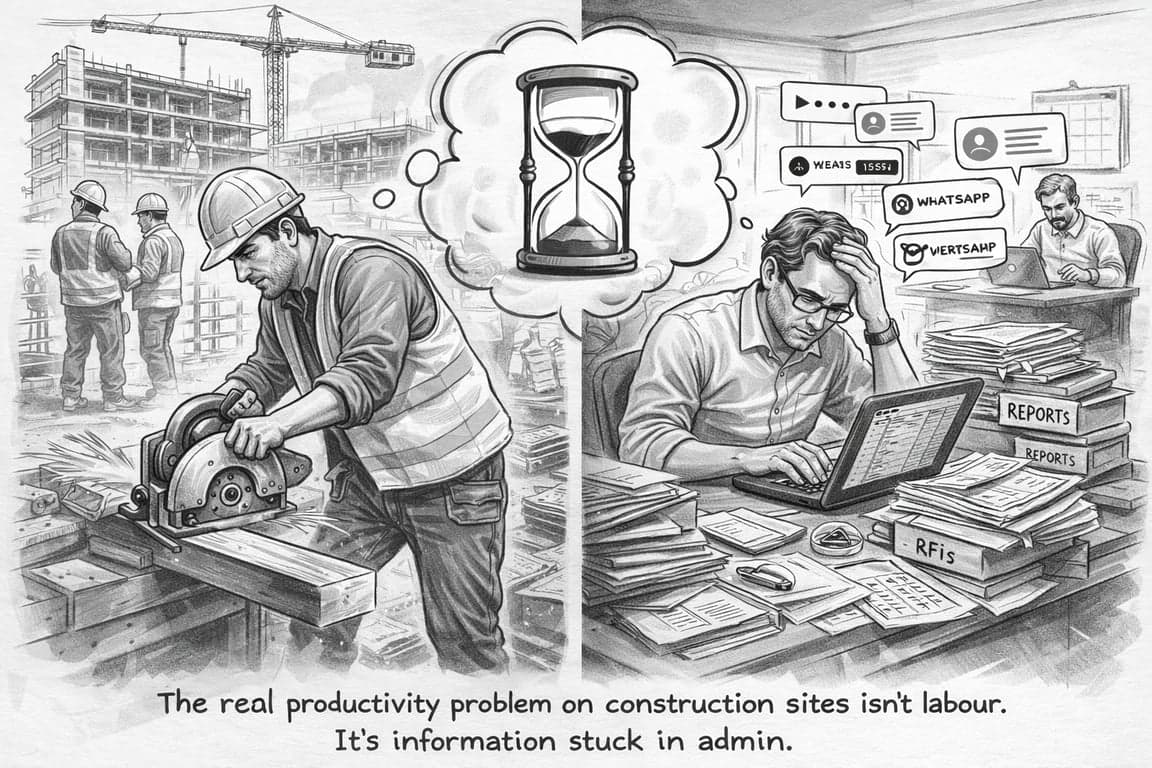
This pattern highlights a key issue in construction project controls. Systems are designed based on ideal processes, but projects are executed by people operating under pressure, deadlines, and practical constraints. Site engineers, planners, and managers prioritise speed and clarity over strict adherence to structured systems. When a system introduces friction or additional effort, it is often bypassed in favour of more familiar and efficient methods.
Another critical factor is organisational behaviour and incentives. In many cases, accurate data and transparent reporting can expose project delays, inefficiencies, or accountability issues. As a result, individuals or teams may consciously or unconsciously avoid fully engaging with the system. This is not necessarily due to resistance to technology, but rather a response to how information may impact performance, responsibility, or commercial outcomes.
For project management systems to be effective in construction, they must be designed with these realities in mind. The focus should not only be on functionality, but on usability and behavioural alignment. Systems that are simple to use, reduce manual effort, and integrate into existing workflows are far more likely to be adopted. Ease of use is often more important than advanced features.
In addition, system adoption must be supported by clear organisational alignment. When system usage is directly linked to critical processes such as progress reporting, payment claims, or decision-making, it becomes an integral part of project delivery rather than an optional tool. Leadership also plays a significant role. When project leaders actively use and rely on the system, it reinforces its importance across the entire team.
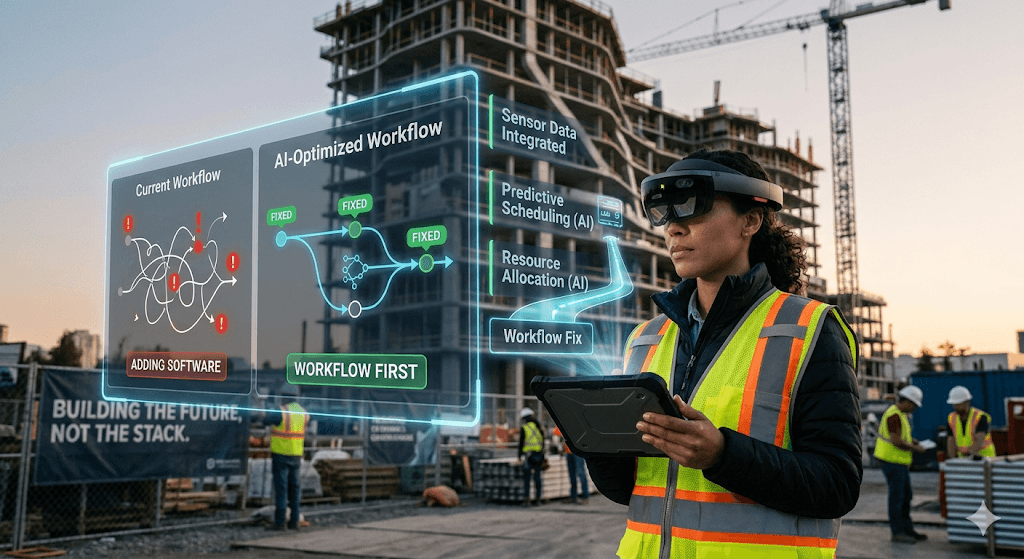
The rise of AI in construction project management presents an opportunity to address many of these challenges. AI-powered systems can process unstructured data from site reports, emails, and other sources, reducing the need for manual data entry. This allows systems to adapt to existing communication patterns rather than forcing teams to change their behaviour drastically. As a result, data quality improves, and systems become more relevant to day-to-day operations.
Ultimately, the success of any project management system in construction depends on its ability to fit within the human and organisational context of the project. Technology alone cannot solve project challenges if it does not align with how people work. Systems must either integrate seamlessly into existing habits or be carefully designed to guide behavioural change over time.
As the construction industry continues to adopt digital tools and AI solutions, it is important to shift the focus from technology to people. Understanding how teams operate, what motivates them, and how they interact with systems is essential for achieving meaningful and lasting improvements in project performance.
In summary, project management systems do not fail because they lack capability. They fail because they are not aligned with human behaviour and organisational realities. The most effective systems are those that recognise this and are designed to support, rather than disrupt, the way people work.